
Engineering Therapeutic Systems
Designing nanostructured platforms that deliver protein therapeutics with precision
The successful translation of proteins into effective therapeutics requires precise control over their stability, transport, and function within complex biological environments. However, proteins are highly susceptible to degradation, poor absorption, and loss of activity, particularly when delivered across challenging biological barriers such as the gastrointestinal tract.
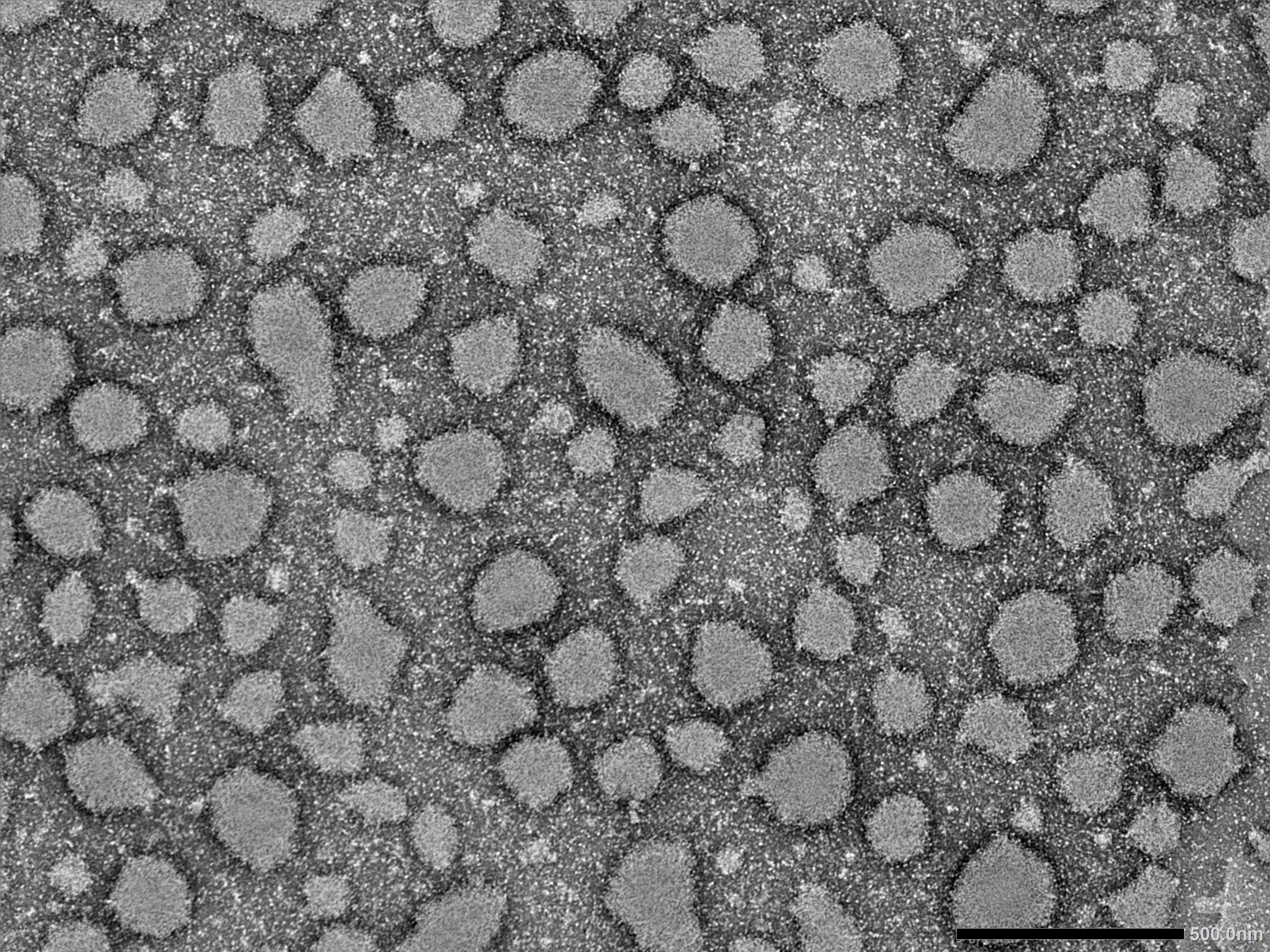
Building on our mechanistic and predictive understanding of biomolecular interfaces, our work focuses on engineering nanostructured and supramolecular systems that enable controlled protein behaviour in real-world settings. In particular, we have developed nanostructured lipid carriers (NLCs) as platforms to protect labile protein cargo, enhance stability, and enable controlled release. Our studies demonstrate how formulation parameters, including lipid composition and interfacial properties, govern nanoparticle structure, protein loading, and release behaviour, enabling the rational design of delivery systems for biological applications. These approaches have been applied to the development of protein-based vaccine delivery systems, where NLCs provide protection against harsh gastrointestinal conditions and improve antigen stability and delivery efficiency. By systematically linking formulation design to functional performance, this work highlights how engineering the interface between proteins and their carrier systems can directly influence therapeutic outcomes.
In parallel, our work explores the development of supramolecular and hybrid biomolecular systems that enable controlled assembly, stability, and function of protein therapeutics. Together, these strategies demonstrate how interfacial engineering can be translated into practical systems that address key challenges in delivery, stability, and efficacy.
This work establishes a framework for engineering therapeutic systems through control of biomolecular interfaces, enabling the development of next-generation biologics with improved performance and accessibility.
Related Publications
-
Exploiting supercooled medium-chain lipids and surfactant combinations for solid-phase dominant nanostructured lipid carrier productionRead More
D Sedough-Abbasian, J Mu, JG Joseph, GP Andrews, S Carmali. Journal of Materials Chemistry B, 13(43), 13992–14004 (2025). -
Hydrophobic ion pairing improves protein thermal stability and lipid nanocarrier integration through controlled surface modificationRead More
J Mu, D Sedough-Abbasian, M Leran, S Carmali. ChemRxiv (preprint). -
Formulation development of nanostructured lipid carriers for oral delivery of recombinant protein-based vaccine antigens in aquatic speciesRead More
J Rodrigues, C O'Hara, MR da Silva, LL de Oliveira, JAS Zuanon, et al. ChemRxiv (2025).